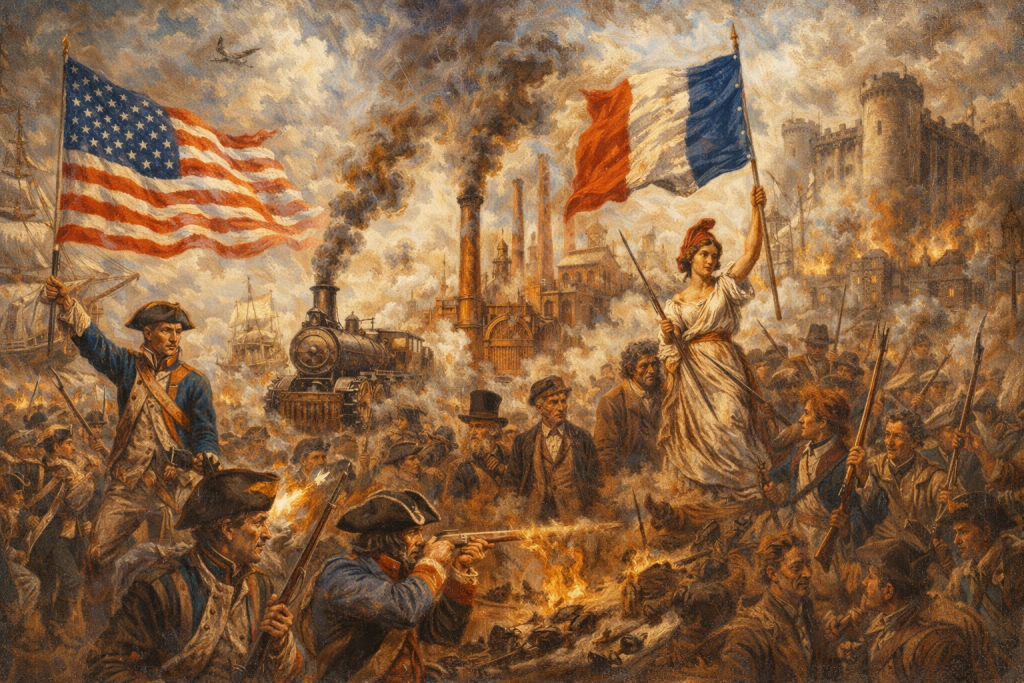
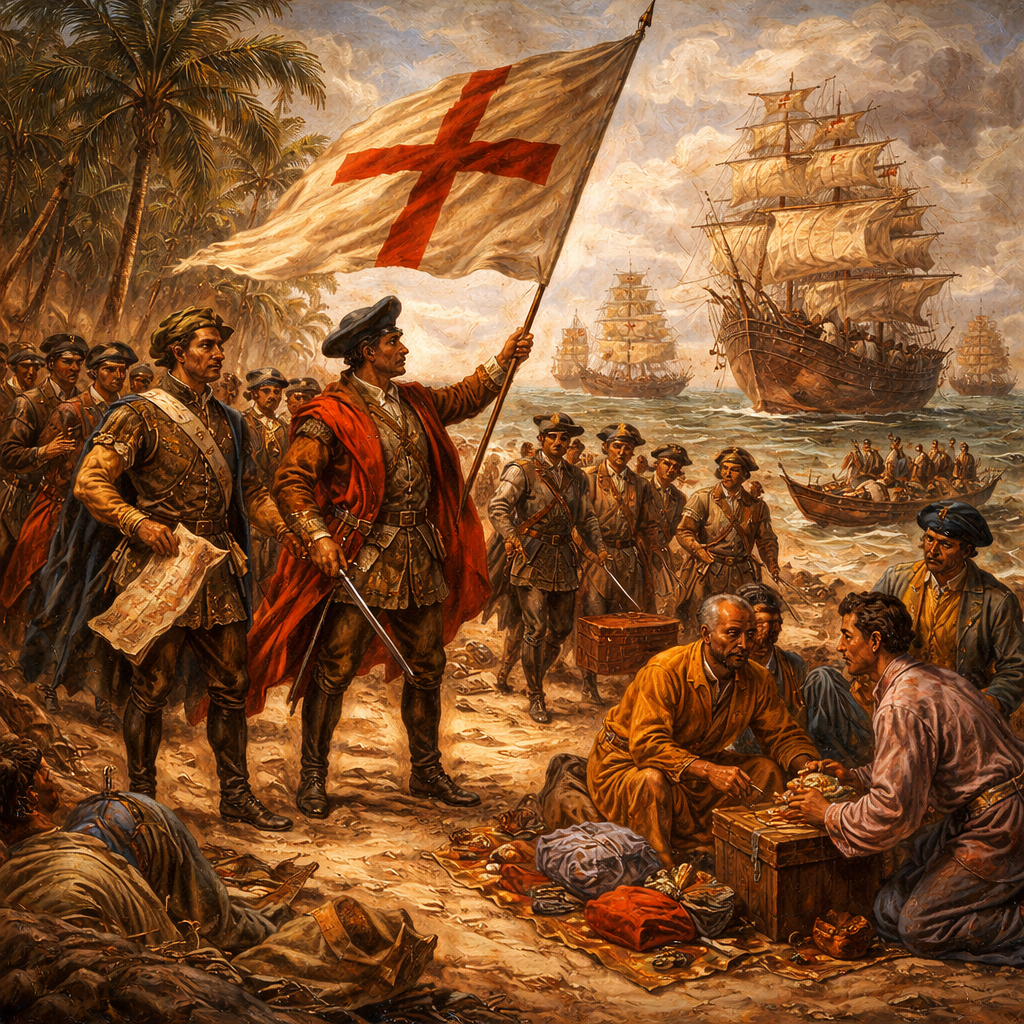
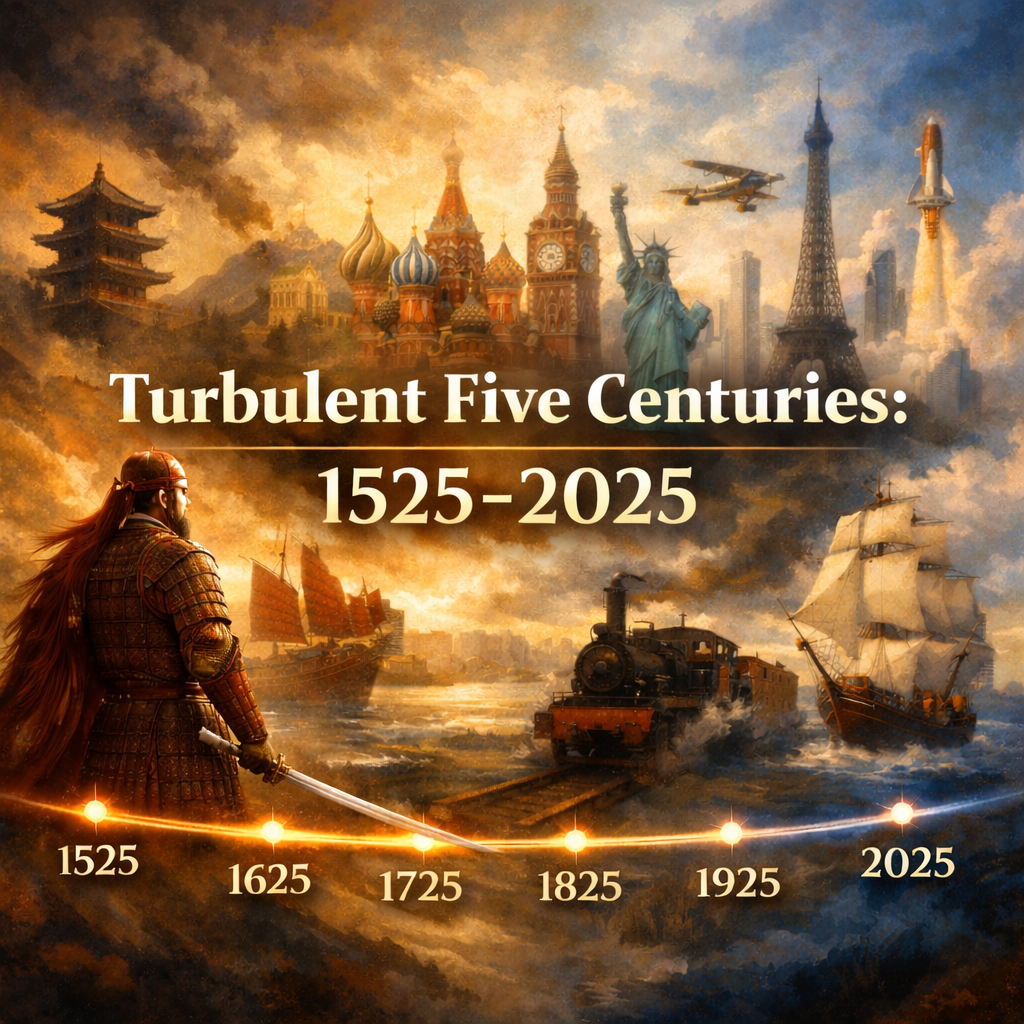
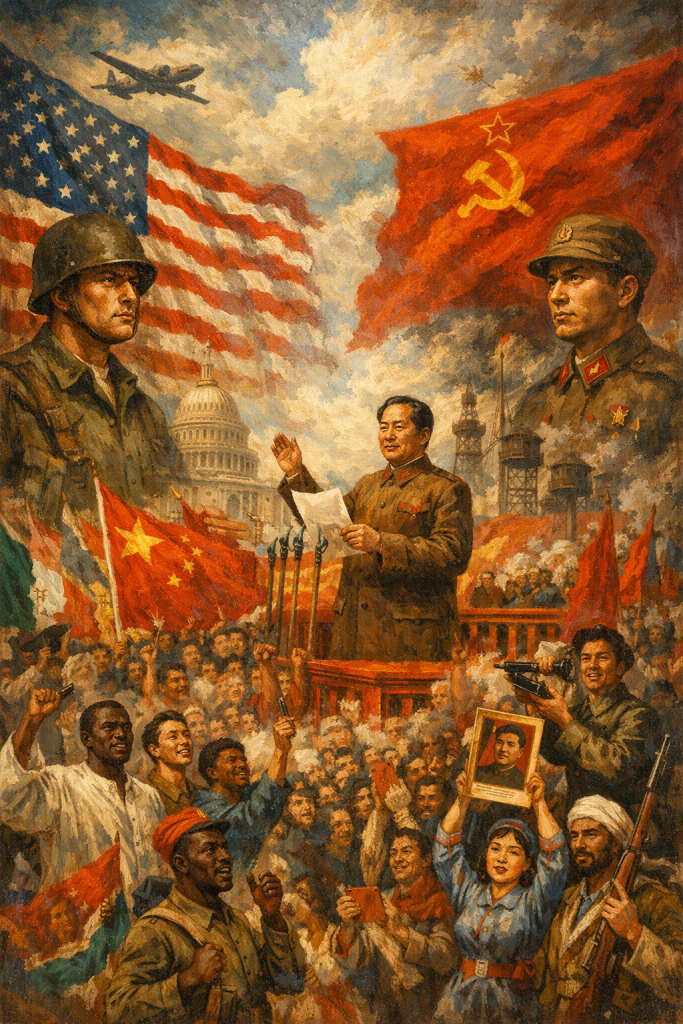
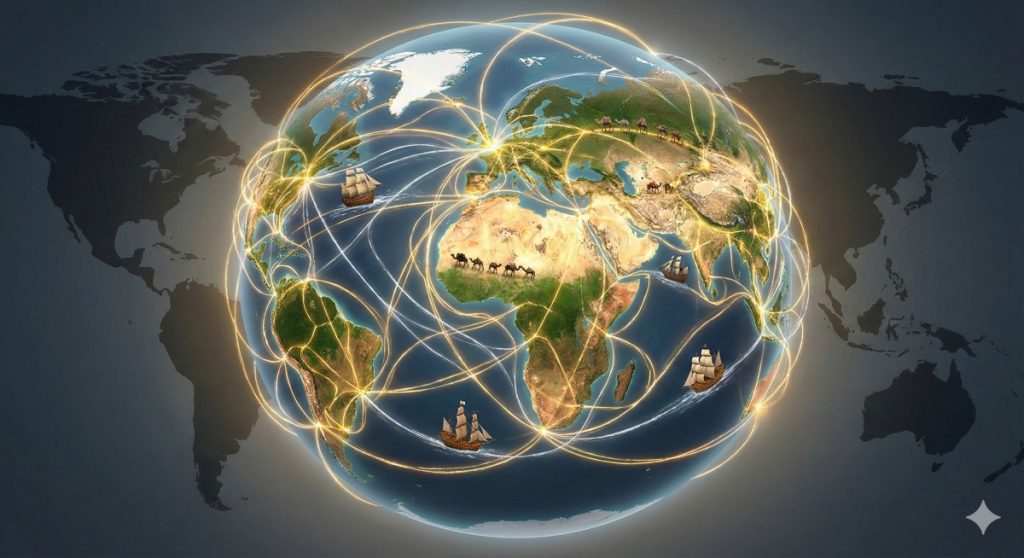
Explore five centuries of human history across 500 years. Follow our journey from fragmentation to cyberspace in this comprehensive historical blog series.
Unlike single-region historical content, it connects Eastern and Western civilizations (Europe, Asia, Africa, Americas) across five centuries, presenting a truly global historical perspective.
Dual Perspective
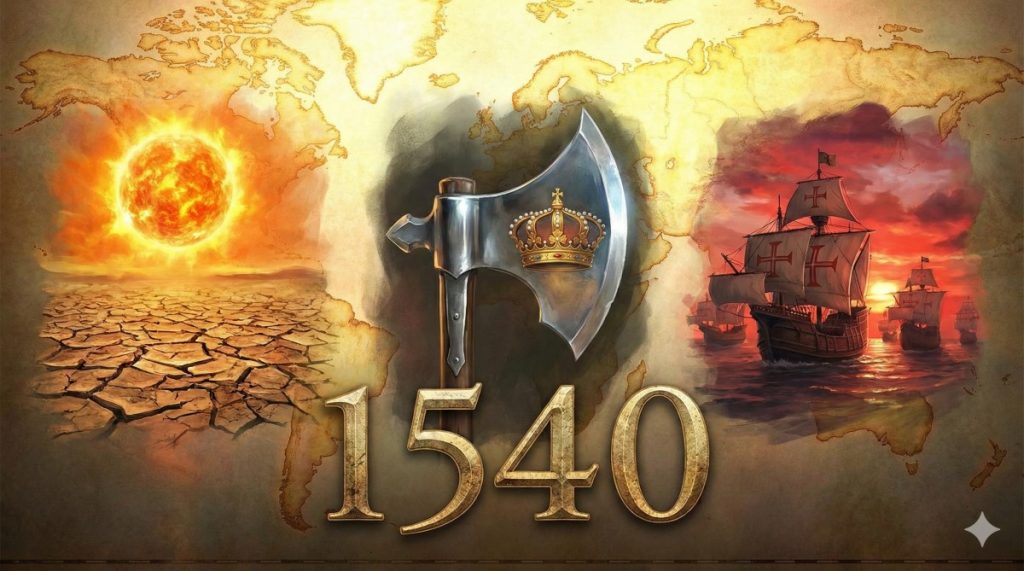
Balances "progress" (industrial/tech leaps) and "conflicts" (wars/colonialism), avoiding one-sided narratives to show the complexity of historical development.
Continuous Timeline
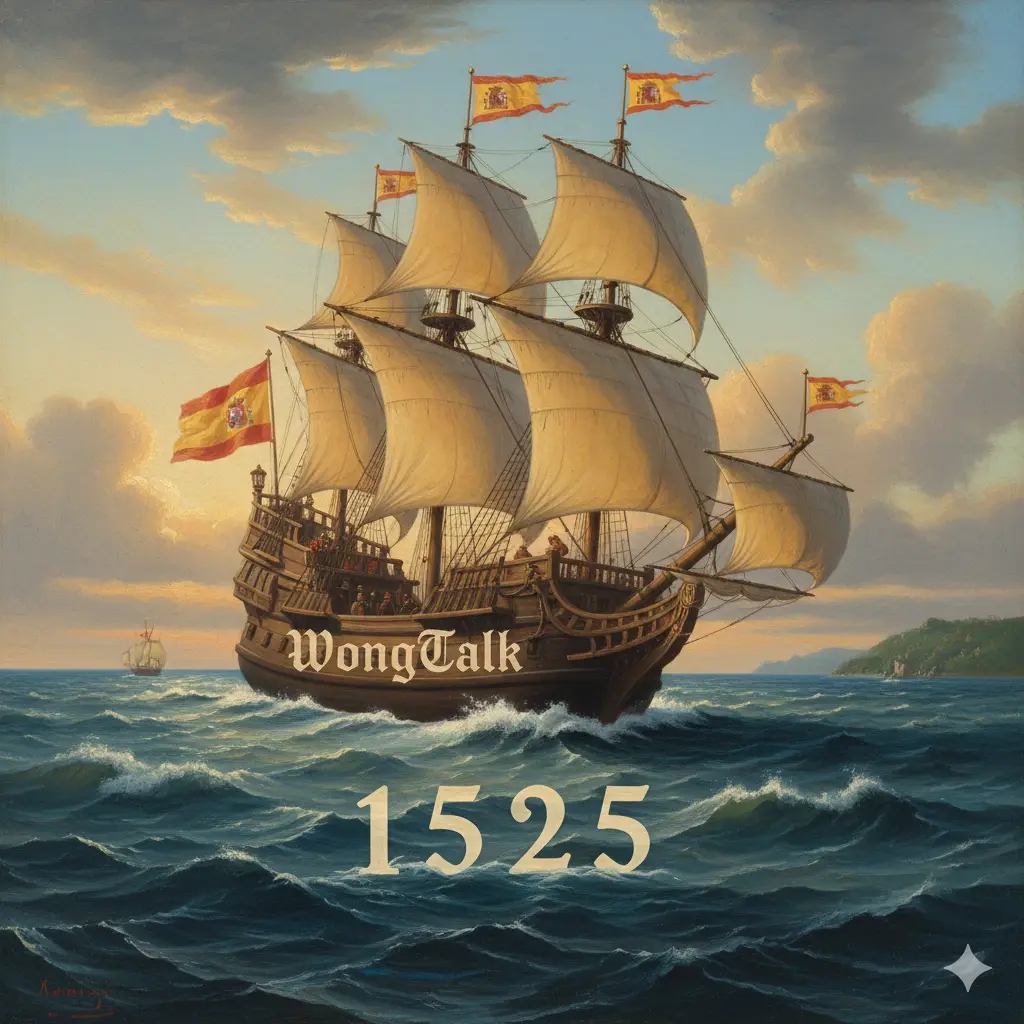
Spans 500 years from 1525 to 2025 without fragmentation, tracing the evolution of human society from the Old World to the digital era.
Civilizational Mutual Learning
Goes beyond knowledge dissemination—focuses on eliminating cultural misunderstandings through historical connections, with a clear value of cross-cultural understanding.
Be the first to know about new posts
Instantly!
You’ll get the WongTalk Dispatch.
🙋 Frequently Asked Questions
Got questions about safety, water, or transport? We have the answers.
What is the core mission of WongTalk?
WongTalk is an intellectual space dedicated to deciphering the present through the lens of history. We provide a friendly, respectful platform centered on deep historical exchanges, global cultural exploration, and rational discourse. Our content is structured around three pillars: Historical Deep Dives (such as our 1525–2025 series), Cultural Explorations, and Travel Narratives that treat history as a living experience rather than a textbook subject.
How does WongTalk approach travel content differently from other sites?
At WongTalk, travel is viewed as a “Field Note” for historical discovery. We believe history is alive in the places we visit and the people we meet. While we provide practical tips and highlight hidden gems, our primary focus is on the “historical footsteps”—exploring how ancient traditions and past events continue to shape the modern identity of a destination.
What are the community guidelines for commenting and discussion?
We champion an open, inclusive atmosphere where diverse perspectives—including the “amateur lens”—are valued alongside professional scholarship. We encourage:
Rational Discourse: Sharing interpretations based on research or personal experience.
Collaborative Accuracy: Inviting readers to offer corrections or supplementary data to improve collective knowledge.
Constructive Inquiry: Asking clear, respectful questions. We maintain a zero-tolerance policy for discrimination, hate speech, personal attacks, and the spread of misinformation.
Can I share or use the content found on WongTalk?
All content on this website, including text, images, and logos, is the intellectual property of WongTalk.com. You are welcome to view, download, and print content for personal, non-commercial use and share links to our articles on social media. However, you may not copy, reproduce, or modify the content for commercial purposes without prior written permission.
How is my personal information protected?
We are committed to protecting your privacy. We only collect personal information you voluntarily provide, such as your name and email address for newsletter subscriptions. We also use cookies to improve your browsing experience and analyze traffic patterns. We do not sell or rent your data to third parties. You retain the right to access, correct, or request the deletion of your personal information at any time.
Be the first to know
Subscribe to get The WongTalk Dispatch— instantly!